Harnessing the Impact of Warmer Colours in Design to Achieve Greater Depth
What Key Factors Establish Warmer Colours as Essential for Visual Depth Creation?

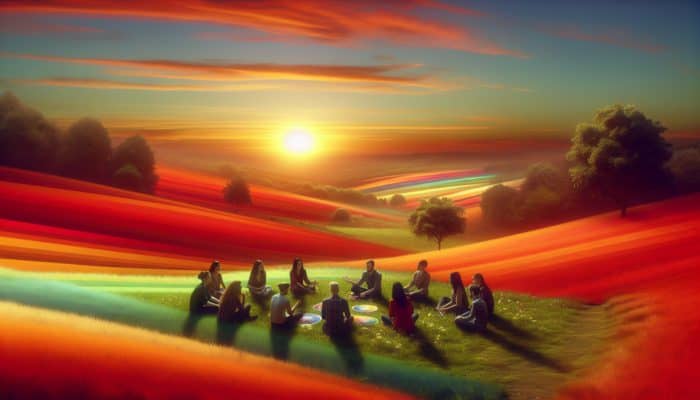
Warmer colours, characterised by vivid shades such as red, orange, and yellow, are pivotal in design as they create robust visual layers and invoke significant emotional connections. For example, in landscape paintings, the strategic application of warm colours can mimic the feeling of a sunset, inviting viewers to immerse themselves in the warmth and intimacy of the scene. This intentional deployment of warm hues not only enhances visual allure but also fosters a profound connection between the artwork and its audience. The dynamic interplay of these colours has the potential to transform a flat image into an immersive experience that captures attention and stirs emotions.
How to Choose the Perfect Shades to Amplify Visual Effects in Design?
Choosing appropriate shades to create depth while maintaining an aesthetically pleasing design is crucial for effective creation. This process demands a sophisticated understanding of balance and harmony within the colour spectrum. For instance, in interior design, a space adorned with gentle, warm beige can be beautifully complemented by deeper rust or terracotta tones, resulting in an elegantly layered effect that invites comfort and cohesion. The key lies in selecting hues that harmonise rather than clash, allowing the innate warmth of the colours to invigorate the environment without overwhelming the overall aesthetic. This thoughtful approach enhances the overall experience of the space and its inhabitants.
How to Seamlessly Incorporate Warmer Colours into Your Everyday Creative Projects?
Integrating warmer shades into daily projects can significantly elevate visual interest and enhance audience engagement. This can be achieved through several practical techniques such as:
- Utilising warm accent colours in graphic design to draw attention and create focal points.
- Layering warm colours in artwork to cultivate depth and dimensionality.
- Incorporating warm textiles in home decor to evoke feelings of comfort and warmth.
- Employing warm lighting to transform the overall atmosphere of a space, creating a cozier environment.
By implementing these strategies, creators can elevate their projects, captivating viewers and nurturing an authentic connection with their work, ultimately resulting in a more engaging and memorable experience for all audiences involved.
Professional Insights on Enhancing Depth with Warmer Colours
What Core Principles Should You Understand for Achieving Maximum Depth in Design?
To reach optimal depth using warmer colours, grasping the fundamental principles of colour theory is essential. Begin by selecting a foundational tone that establishes the desired mood, then layer additional hues to introduce richness and complexity. For instance, in a digital illustration, start with a warm background and incrementally apply complementary tones, utilising transparency and blending modes to enrich the overall effect. This method fosters a sense of dimensionality that captures viewers’ attention, ensuring the visual experience remains compelling and memorable.
How to Harmonise Hues for Achieving High-Quality Professional Results?
Achieving a balance of hues within colour schemes is crucial for attaining professional-quality results in design projects. Experts suggest using a limited palette to maintain harmony while promoting depth. A widely recommended technique is the 60-30-10 rule, where 60% of the design features a dominant colour, 30% a secondary hue, and 10% an accent colour. This strategy allows warm colours to shine without overwhelming the overall composition. Furthermore, incorporating cooler tones can enhance depth, ensuring that warmer colours stand out while maintaining visual harmony throughout the design, leading to aesthetically pleasing outcomes.
What Advanced Techniques Can You Employ for Blending Warmer Colours?
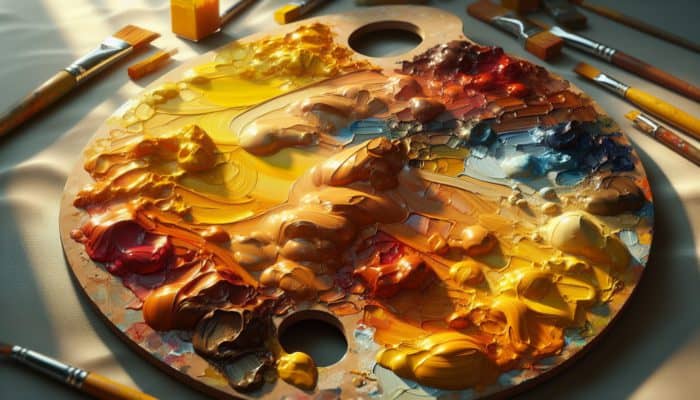
Expert recommendations on blending warmer shades highlight established techniques such as glazing, layering, and wet-on-wet applications. For example, artists frequently apply transparent warm colours over a dried base layer to create a luminous effect. In painting, using a warm yellow glaze over a base of burnt sienna can produce striking depth and vibrancy, allowing the underlying hues to influence the final appearance without compromising their original integrity. These advanced techniques empower creators to develop a sophisticated palette that propels their work to exceptional levels.
What Innovative Tools Can You Utilise to Enhance Warmer Colour Application?
Employing innovative tools for the application of warmer colours can significantly enhance visual depth in creative projects. Digital artists can leverage software features like gradient maps and blending modes to produce dynamic colour effects. Traditional artists often opt for high-quality brushes that facilitate smoother transitions between warm hues. Moreover, colour wheel applications assist in selecting complementary shades, ensuring that the application of warmer colours aligns with established principles of colour theory. By adeptly employing these tools, creators can achieve optimal results, enhancing the visual appeal and impact of their projects.
What Valuable Insights Can Case Studies Provide Regarding Warmer Colour Integration?
Examining successful case studies offers invaluable insights into effectively integrating warmer colours to achieve rich depth. For instance, acclaimed filmmaker Wes Anderson frequently employs warm palettes in his films, harnessing these hues to evoke feelings of nostalgia and emotional resonance. In the sphere of interior design, the strategic use of warm colours in Scandinavian homes illustrates how these tones create inviting, lived-in spaces. By analysing these practical applications, artists and designers can gain valuable insights into overcoming challenges while enhancing their creative outcomes through the calculated use of warmer colours.
How Does the Inclusion of Warmer Colours Augment Visual Depth?
What Influence Do Tones Have on Shaping Visual Perception?
Warmer tones significantly affect visual perception, fostering a sense of proximity and intimacy within designs. When utilised effectively, these hues can create the illusion of elements appearing nearer to the viewer, thereby enhancing a project’s immersive quality. For instance, in photography, applying warm filters can accentuate the essence of sunrise or sunset, guiding the viewer’s eye into the frame. This manipulation of warmth contributes to a dynamic visual experience that captivates audiences on multiple levels, enriching their interaction with the artwork.
What Is the Emotional Influence of Warmer Hues on Viewers?
Warmer colours elicit profound emotions and significantly contribute to the depth of creative projects. These hues are often associated with warmth, comfort, and vitality, resonating deeply with viewers. For example, in branding, companies frequently utilise warm colours to establish feelings of trust and friendliness, nurturing a positive rapport with consumers. By comprehending and leveraging the emotional implications of warmer hues, creators can enhance the depth of their projects, ultimately influencing how their work is perceived and valued by their audience.
What Common Uses of Warmer Colours Exist Across Various Creative Domains?
Effectively incorporating warmer colours significantly enhances depth across diverse creative applications. In graphic design, for instance, the intentional use of warm backgrounds can cause text to stand out, drawing attention to crucial messages. In theatre, lighting designers often use warm tones to evoke specific moods or atmospheres, enriching the overall narrative experience. Whether in digital art or traditional mediums, the prevalent application of warmer shades allows creators to achieve depth that captivates and maintains audience interest, resulting in a more impactful visual narrative.
Research-Driven Advantages of Integrating Warmer Colours for Enhanced Depth
How Do Warmer Colours Improve Viewer Engagement?
Research substantiates that warmer colours significantly enhance viewer engagement in design projects. Studies indicate that these hues attract attention and elicit emotional responses, resulting in increased interaction with the content. To implement this effectively, creators can strategically incorporate warm accent colours in key areas of their work to draw the viewer’s attention and foster deeper engagement with the material. This methodology not only enhances aesthetics but also cultivates a more profound connection with the audience, ultimately leading to improved retention and appreciation of the work.
How to Assess the Impact of Warmer Colours on Visual Quality?
The influence of warmer colours on visual quality is well-documented, highlighting their role in enriching designs across various applications. For instance, analyses show that designs employing warm colours often achieve higher engagement rates, as they evoke emotional reactions and enhance visual allure. By evaluating these outcomes, creators can refine their colour selections to ensure that warmer hues enrich the richness and quality of their projects, leading to more effective and impactful designs.
What Long-Term Benefits Arise from Incorporating Warmer Colours into Projects?
Integrating warmer colours into projects yields lasting benefits that extend beyond initial impressions. Research suggests that designs featuring warm hues tend to create enduring effects on audience perception, fostering familiarity and comfort. This long-lasting impact can enhance brand loyalty in marketing contexts or create memorable artistic experiences for audiences. By recognising these long-term advantages, creators can strategically apply warmer colours to cultivate ongoing depth and resonance, ensuring their work remains relevant and impactful as time progresses.
Best Practices for Skillfully Applying Warmer Colours in Design
Why Is Conducting a Comprehensive Colour Palette Assessment Crucial?
Conducting a thorough colour palette assessment is essential for effectively incorporating depth with warmer colours. This evaluation ensures that the selected colours harmonise with one another, maximising visual impact. Helpful assessment tools include:
- Colour wheel apps that aid in identifying harmonious combinations.
- Swatch books for visual reference and inspiration.
- Digital design software for testing and refining colour palettes.
- Colour contrast checkers to ensure accessibility and compliance.
By employing these tools, creators can establish a solid foundation for their designs, ensuring a cohesive and impactful visual narrative that resonates with their audience.
How to Adapt Warmer Colours to Suit Various Media?
Applying warmer hues across different mediums necessitates adaptable approaches to achieve rich and vibrant results. In digital design, utilising layering and blending techniques can produce depth and vibrancy. Conversely, in traditional painting, mixing warmer tones with appropriate media such as oils or acrylics enhances the richness of colour application. Understanding the nuances of various media allows creators to adapt their techniques effectively, ensuring that warmer colours consistently elevate their work and contribute to an engaging visual experience.
What Strategies Should Be Employed to Test Optimal Depth Outcomes?
Experimentation is vital for evaluating the effectiveness of warmer colours and refining them to achieve optimal depth. Creators should engage in trial and error, testing various combinations and applications to discover what resonates best with their audience. Techniques such as creating mock-ups or prototypes can facilitate this exploration, allowing for essential adjustments before finalising designs. Embracing this innovative approach fosters creativity and encourages unique outcomes that enrich any project, ultimately leading to more successful and impactful designs.
How to Ensure Consistency of Colour Across Your Projects?
Maintaining colour consistency throughout all stages of a project is vital for achieving cohesive outcomes. This can be realised by regularly calibrating screens and employing Pantone colour matching systems to ensure uniformity. By using these calibration tools, creators can prevent variations that detract from the overall effect of warmer colours, ensuring consistent application across the project lifecycle. Regular monitoring and adjustments reinforce consistency, ultimately enhancing the visual appeal and effectiveness of the work.
Effective Strategies for Achieving Rich Depth Through Warmer Colours
What Essential Tools Can Enhance Colour Application in Your Creative Endeavours?
Reliable resources and methodologies for applying warmer tones are crucial for achieving rich depth. Recommended tools include high-quality paint brands that provide a wide range of warm hues, digital software equipped with advanced colour-blending features, and colour theory guides to inform decision-making. Effectively utilising these resources empowers creators to elevate their work, ensuring that the application of warmer colours consistently contributes to the desired visual impact and depth.
How to Maximise Colour Effects Using Layering Techniques?
Building depth through strategic layering is fundamental for enhancing the impact of warmer colours. Techniques such as wet-on-wet or glazing in painting create seamless transitions between hues. In graphic design, overlapping transparent layers can foster a sense of depth and dimensionality. By mastering these layering strategies, creators can elevate their designs, ensuring that warmer colours enrich the visual experience and engage viewers on a deeper level, ultimately fostering a stronger connection with the audience.
What Significance Does Consistency in Colour Applications Hold?
Ensuring uniform depth in projects that utilise warmer colours necessitates careful planning and execution. Expert analysis suggests establishing a clear colour strategy from the outset while implementing a systematic approach to colour application. Regular reviews of colour choices and their impact throughout the project can help maintain consistency, ensuring that warmer colours enhance depth at all stages of design. This meticulous approach contributes to a more cohesive and impactful final product.
Why Should Warmer Colours Be Your Choice for Creative Projects?
How Can Warmer Colours Transform Basic Designs into Engaging Works of Art?
Warmer colours possess the transformative capability to elevate simple designs into captivating works of art. By strategically incorporating these hues, creators can infuse their projects with vibrancy and emotional resonance. For example, a basic layout can be revitalised with warm accents, directing viewers’ attention and crafting an inviting atmosphere. This dynamic shift not only augments aesthetic appeal but also nurtures a deeper connection with the audience, ensuring that the design leaves a lasting impression.
What Distinctive Qualities Do Warmer Colours Contribute to Design?
Warmer colours exhibit unique characteristics that render them particularly effective in enhancing depth. They evoke feelings of warmth, comfort, and vibrancy, which resonate with a broad audience. Furthermore, these hues can create an atmosphere of intimacy and closeness, drawing viewers into the narrative of the design. By leveraging these distinctive qualities, creators can develop projects that engage and inspire, utilising warmth as a powerful tool within their artistic arsenal, ultimately enriching the overall impact of their work.
How to Effectively Compare Colour Alternatives?
Evaluating warmer tones against cooler alternatives underscores the specific advantages of utilising warm hues for enhancing depth. When assessing colour options, it is crucial to consider factors such as emotional resonance, visual impact, and audience engagement. Key comparison factors include:
- The emotional responses elicited by each colour group.
- The visual hierarchy established within the design.
- The contextual effectiveness in specific applications.
- The long-term potential for audience connection.
These considerations provide clarity for creators in selecting the optimal colour approach for their projects, ensuring that their choices align with the intended emotional and visual outcomes.
What Common Mistakes Should Be Avoided When Integrating Warmer Colours?
What Errors Can Diminish Colour Depth and Overall Impact?
Common pitfalls can undermine the effectiveness of warmer hues in designs, reducing their overall impact. Frequent errors include the use of too many competing colours, which can lead to visual chaos, or failing to consider the overall balance within the composition. By remaining vigilant about these mistakes, designers can ensure that warmer colours enhance rather than detract from the desired depth and appeal of their work, ultimately resulting in more successful creative outcomes.
How to Avoid Overusing Warmer Hues in Your Projects?
Over-reliance on warmer colours can detract from the intended depth in designs. Excessive use of these hues may create an overwhelming visual experience, where the intended warmth becomes jarring and distracting. To counteract this, designers should practice restraint, strategically employing warm colours to accentuate key elements rather than dominating the entire composition. This thoughtful approach preserves depth and maintains engagement, ensuring the design remains both inviting and effective.
Why Is Contrast Important in Colour Applications?
Neglecting the need for contrast within colour applications can result in flat designs lacking depth and interest. Warm colours must be balanced with cooler tones or neutrals to create visual intrigue and complexity. Incorporating contrasting elements promotes a dynamic interplay between colours, enriching the overall composition’s richness. This balance is essential for ensuring that the warmth of colours positively contributes to the intended depth and atmosphere without overwhelming the viewer.
How to Maintain Equilibrium Between Warmer Colours and Neutrals?
A common oversight is failing to balance warmer colours with neutral tones, leading to an unbalanced and overwhelming design. This mistake often results in a loss of depth and harmony within the overall composition. To achieve a more refined visual effect, designers should incorporate neutral tones that complement warmer hues, ensuring the overall design feels cohesive and well-structured. Experimenting with proportions allows warmth to enhance rather than dominate the design, resulting in a more visually appealing and effective outcome.
What Are the Consequences of Overlooking the Psychological Impact of Warmer Colours?
Disregarding the psychological responses elicited by warmer colours is another frequent error, as these hues can evoke energy or agitation if not applied judiciously. This oversight can detract from the intended depth and atmosphere of designs. To avoid this pitfall, it is crucial to consider context and audience. Selecting hues that positively influence mood and perception ensures that the application of warmer colours maintains vibrancy while cultivating a welcoming environment, ultimately enhancing the viewer’s experience.
Advanced Techniques for Amplifying Colour Depth in Designs
How to Innovate with Warmer Shades for Unique and Memorable Designs?
Innovating with warmer shades requires a readiness to explore new methods and push the boundaries of traditional colour application. One effective approach involves experimenting with unconventional combinations, such as pairing warm colours with unexpected contrasts. Additionally, creators can delve into mixed-media techniques, integrating warmer hues with diverse materials to forge unique textures and depth. By embracing innovation, artists can uncover exciting ways to utilise warmer colours, thereby enhancing the richness and allure of their work, leading to more engaging and memorable outcomes.
How to Tailor Colour Approaches for Specific Project Needs?
Customising colour strategies to align with specific project requirements is vital for maximising richness and effectiveness. This may involve adapting the warmth of colours based on cultural context or audience preferences. For instance, a marketing campaign targeting a youthful demographic might favour brighter, bolder warm hues, whereas a luxury brand may prefer subtler, muted tones. Understanding these nuances enables creators to apply warmer colours more effectively, ensuring they resonate with the intended audience and enhance overall engagement.
What Future Trends Should Be Accounted for in Colour Utilisation?
Anticipating future trends in colour usage can guide creators in their ongoing quest to enhance depth. As technology progresses, digital tools are likely to evolve, offering even more sophisticated options for colour blending and layering. Furthermore, a growing emphasis on sustainability may affect colour choices, with natural pigments gaining popularity. By remaining proactive about these trends, artists and designers can continue to innovate with warmer shades, ensuring their work remains relevant and impactful in an ever-evolving creative landscape.
Frequently Asked Questions (FAQs)
What Are Warmer Colours and What Characteristics Do They Exhibit?
Warmer colours, including shades like red, orange, and yellow, evoke sensations of warmth and comfort, often generating an atmosphere of intimacy and energy within designs.
How Do Warmer Colours Affect Emotional Perception in Design?
Warmer colours can elicit feelings of comfort and vitality, significantly influencing viewers’ emotional responses and enhancing their connection to the overall design narrative.
Can Warmer Colours Be Effectively Utilised in Digital Design Projects?
Absolutely, warmer colours can be effectively employed in digital design, producing vibrancy through layering and blending techniques tailored to various projects.
What Role Does Contrast Play in the Effective Use of Warmer Colours?
Contrast is vital when using warmer colours, as it helps create visual interest and depth, preventing designs from feeling flat or overwhelming for the audience.
How Can I Select the Right Warm Hues for My Design Project?
Selecting the appropriate warm hues involves evaluating your colour palette for balance, considering emotional impact, and experimenting with various combinations for visual harmony and effectiveness.
What Are Some Common Mistakes to Avoid When Working with Warmer Colours?
Common pitfalls include overusing warmer hues, neglecting contrast, and failing to balance them with neutral tones, leading to overwhelming or visually unbalanced designs.
How Do I Maintain Colour Consistency Across My Creative Projects?
Maintaining colour consistency can be achieved by regularly calibrating your tools, using standard colour references, and conducting periodic reviews throughout the design process.
What Tools Are Available for Working with Warmer Colours in Design?
Useful tools for working with warmer colours include colour wheel applications, swatch books, digital design software, and contrast checkers to ensure accessibility and effective colour application.
How Can I Enhance Viewer Engagement with Warmer Colours?
Improving engagement through the use of warmer colours involves strategically incorporating them into key areas of your design to draw attention and elicit emotional responses from your audience.
What Are the Long-Term Advantages of Using Warmer Colours in Design Projects?
Long-term benefits include fostering enduring connections with audiences and enhancing the memorability of designs, as warmer colours often generate a sense of familiarity and comfort that resonates over time.
Join us on Facebook for the latest updates!
The Article: Adding Warmer Colours For Rich Depth: Enhance Design Vibrancy appeared first on Amitys Hair Salon.
The Article Warmer Colours Enhance Design Vibrancy and Depth Was Found On https://limitsofstrategy.com